
One-stop comprehensive solution provider
The evolution of roller coaster materials over the past century represents a fascinating journey of engineering innovation, with each material transition enabling new possibilities in speed, height, and ride dynamics. Understanding this evolution provides insight into where coaster technology is heading next.
Wooden coasters, the original medium, dominated the first half of the 20th century. Wood offered relatively low cost, ease of construction, and a distinctive ride character with laterally flexible track. However, wooden structures require intensive maintenance, with track typically needing replacement every 7-10 years. The height ceiling for wooden coasters stabilized around 60 meters, and speed limitations made extreme inversions impossible.
Steel coasters, introduced commercially in the 1970s, revolutionized the industry. Steel tubing enabled precision fabrication of complex track elements including loops, corkscrews, and overbanked turns. Modern steel coasters exceed 150 meters in height and reach speeds over 180 km/h. Steel's durability is far superior, with well-maintained tracks lasting 25+ years. The trade-off is higher initial cost and a stiffer ride feel compared to wood.
Hybrid coasters represent the latest evolution, combining steel track with wooden support structures. This approach delivers steel's precision and inversion capability while maintaining wooden coasters' characteristic flexibility and aesthetic appeal. Several manufacturers now offer hybrid designs, with the format gaining rapid popularity for offering the best of both worlds.
"The next frontier is composite materials," said a materials engineering researcher. "Carbon fiber reinforced track sections could reduce weight by 60% while increasing strength, enabling coaster designs that would be impossible with any metal. We're also seeing research into shape-memory alloy components that could actively change track geometry during operation."
China Rides and other forward-thinking manufacturers are investing in material research programs, recognizing that the next generation of breakthrough coaster designs will be driven by material innovation as much as by mechanical engineering.
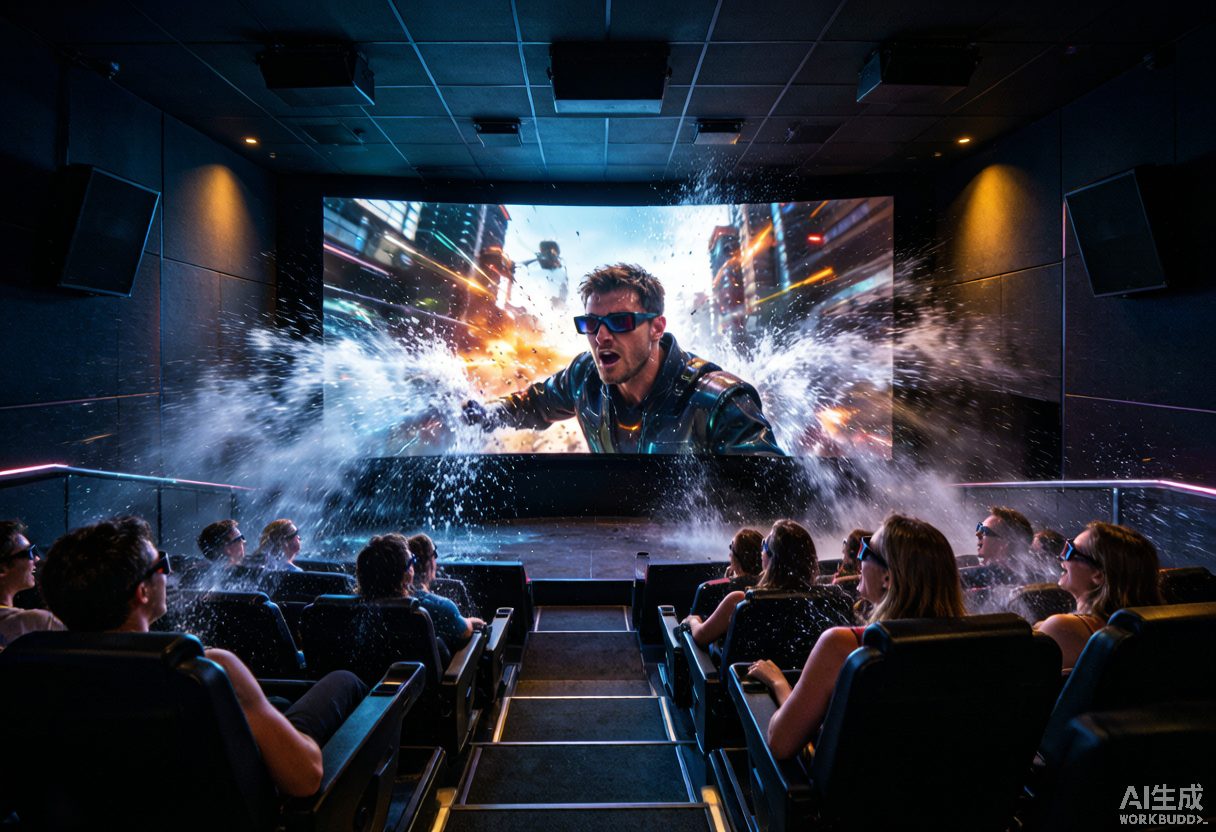
Dynamic cinema technology including 5D and 7D experiences is transforming entertainment venues worldwide, offering immersive multi-sensory attractions with smal···
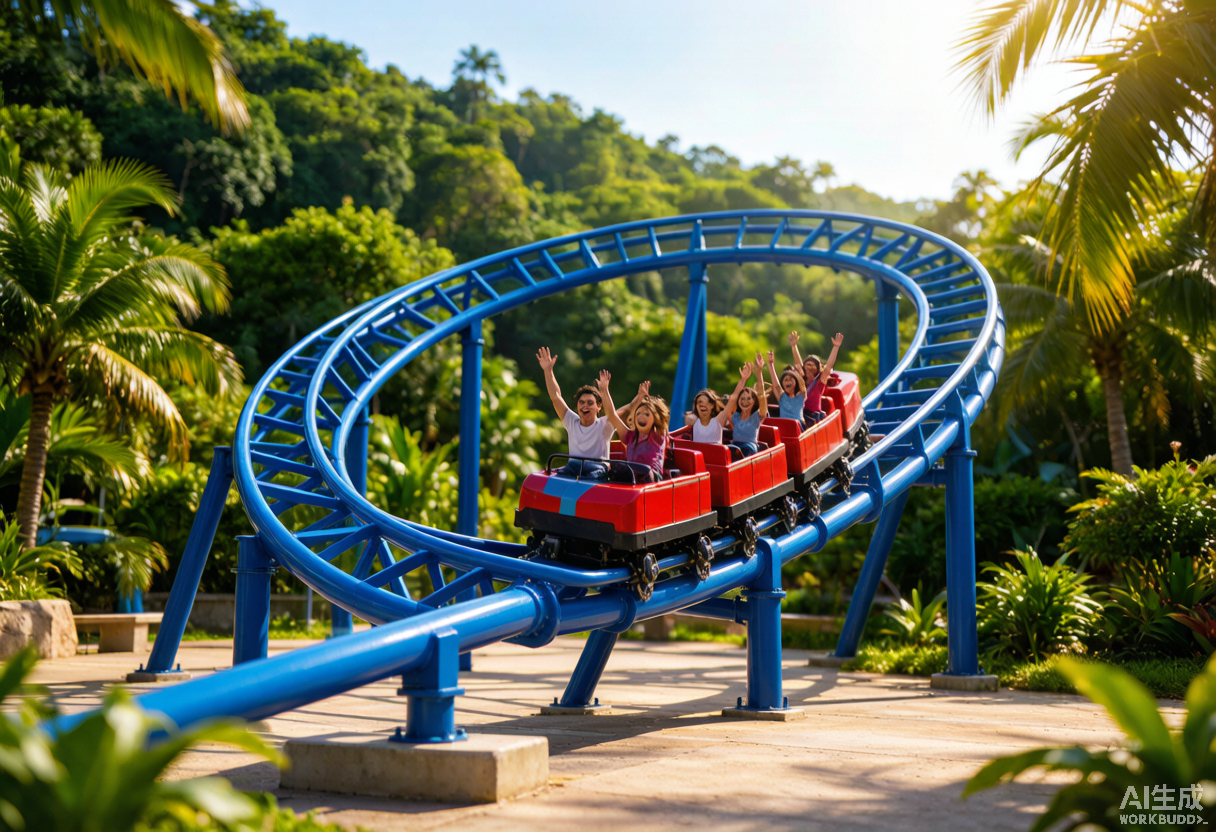
Emerging markets in Southeast Asia, the Middle East, and Latin America are driving a surge in demand for mid-size roller coasters and family rides, reshaping th···
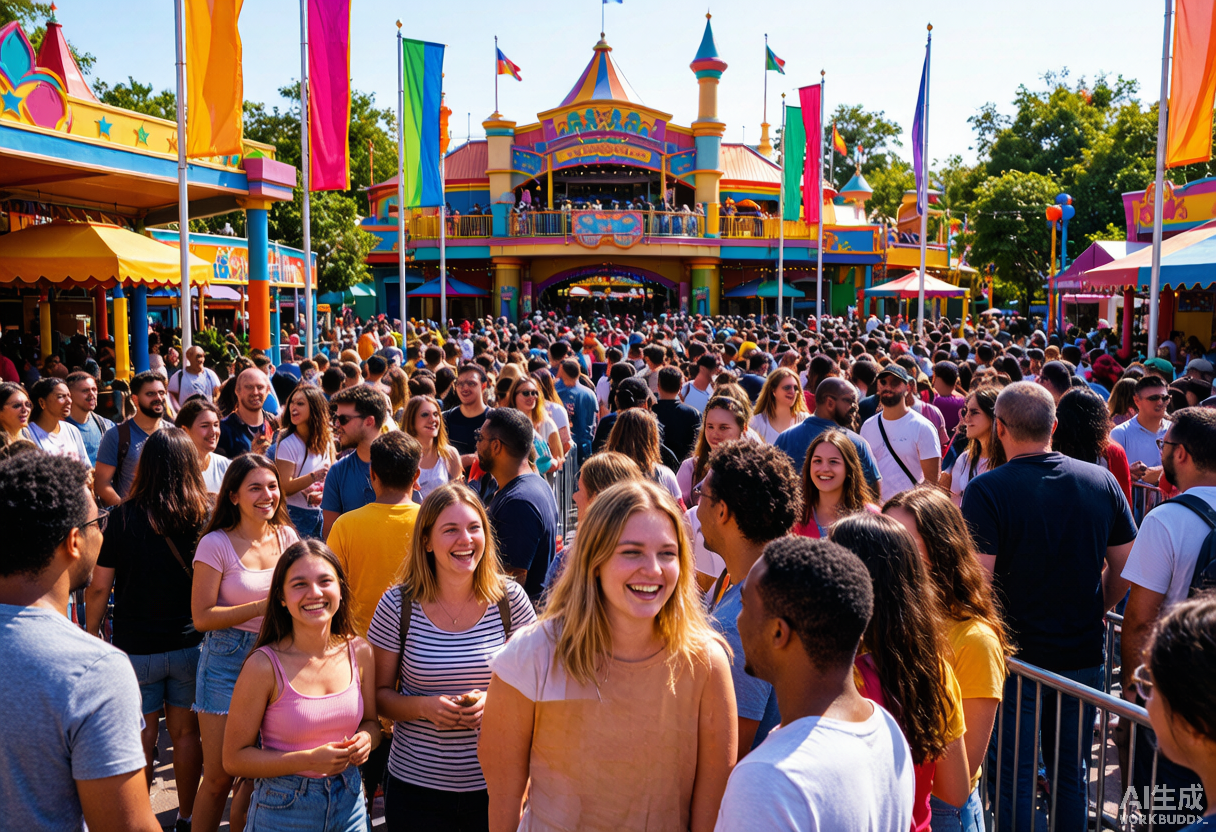
Theme park attendance worldwide has surpassed pre-pandemic levels in 2025, with record visitor numbers driving new investment in roller coasters and major attra···